
Gooseberries
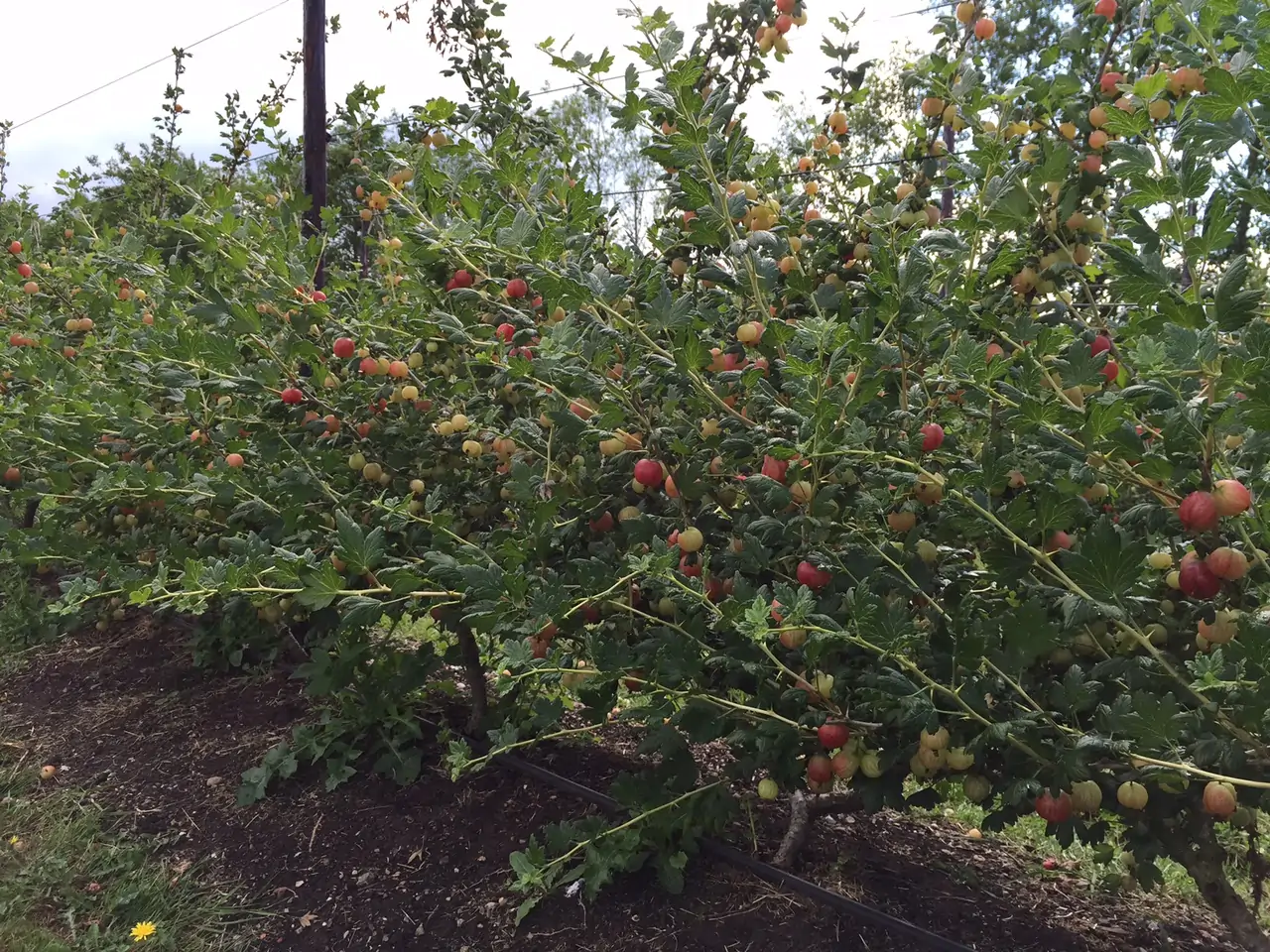
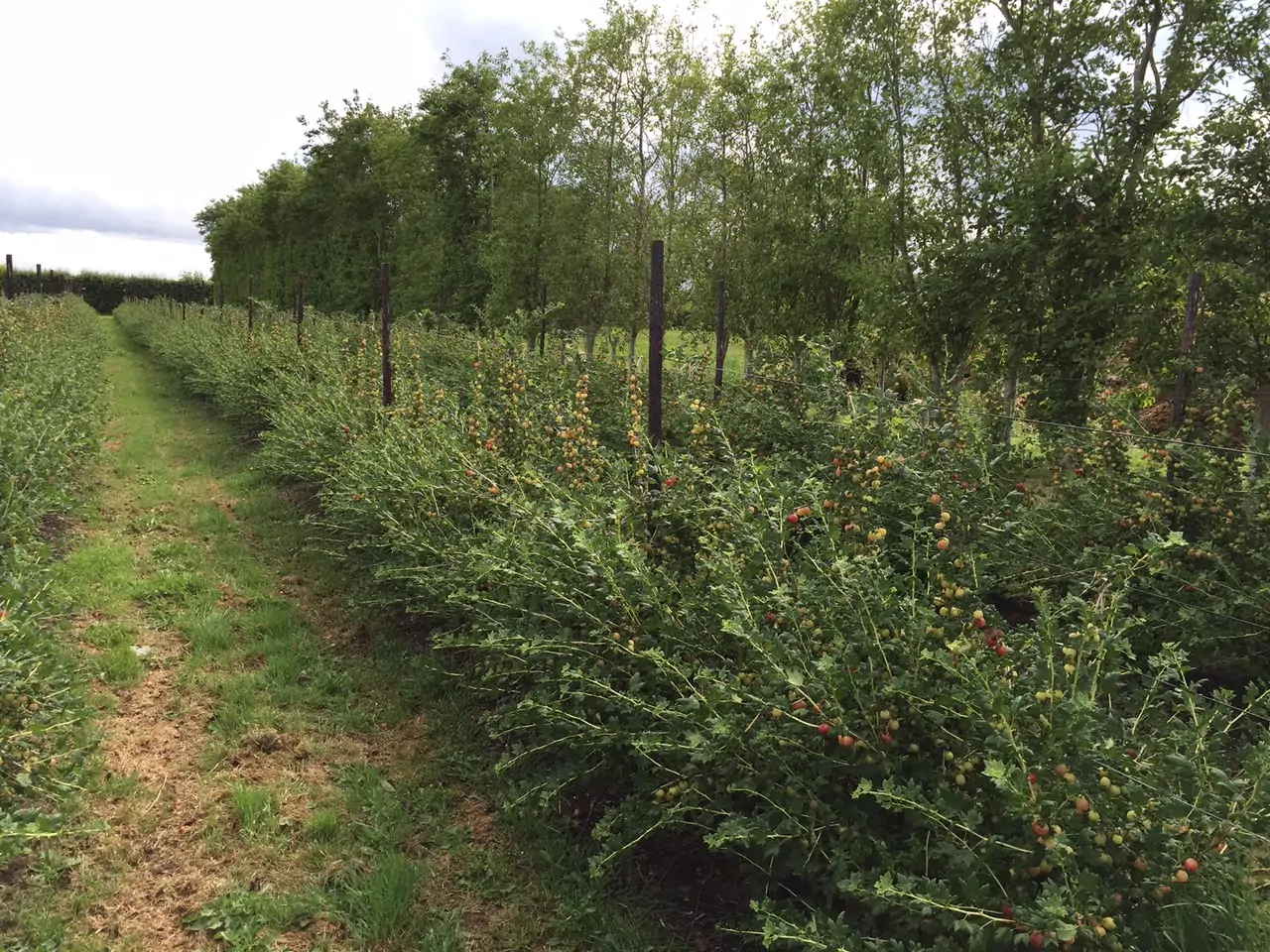
Traditional English Gooseberries have been documented in the UK as early as the mid- 16th century [wikipedia.org/wiki/Gooseberry ] and over time became a standard in many gardens.
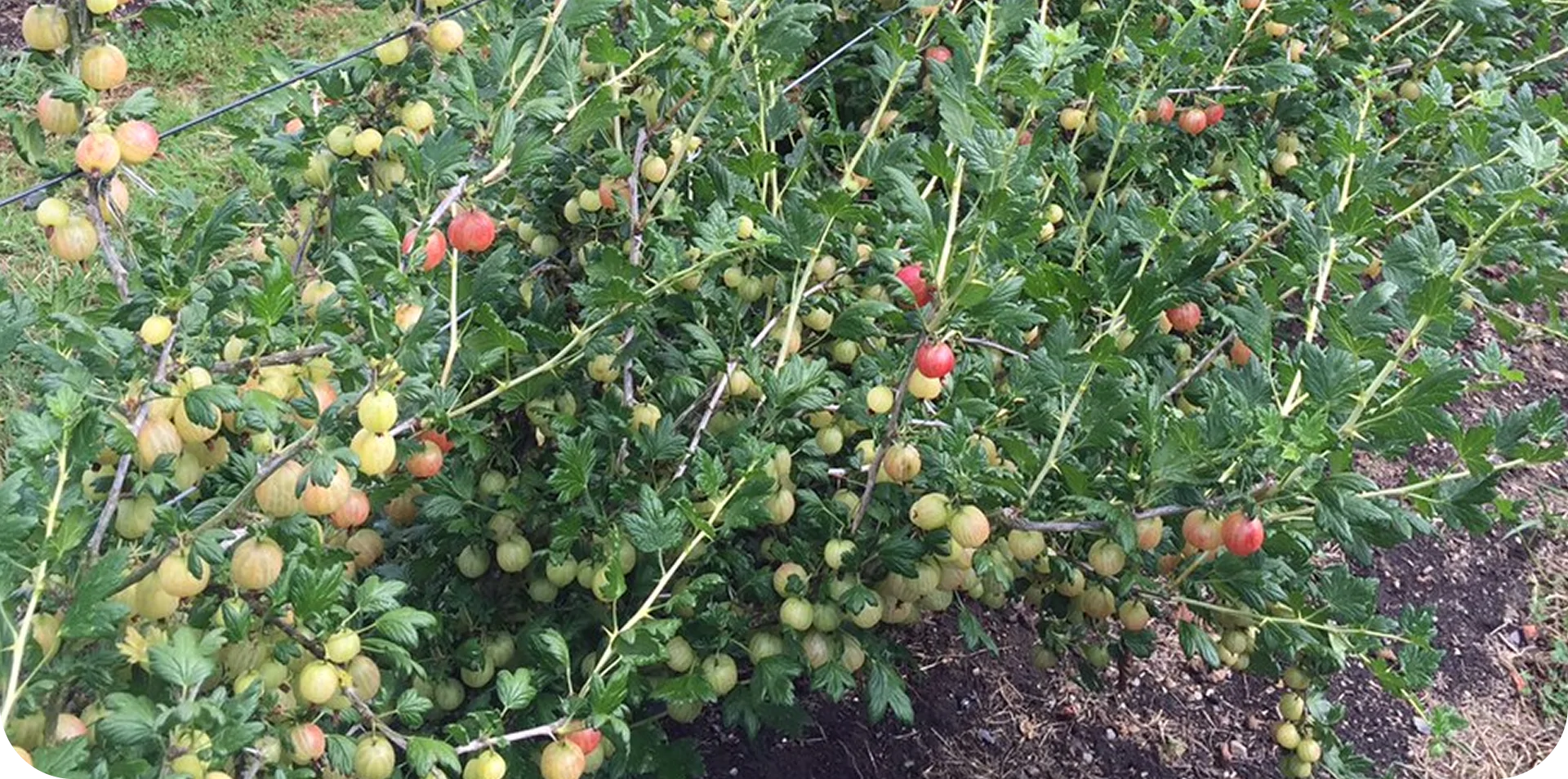
Numerous cultivars have been developed for both commercial and domestic use, such as Levellers (known for Dessert qualities eaten raw with no sugar required) as well as sharper tasting varieties more suited for cooking such as Invicta, Carelss and Greenfinch e.g. in Apple and Gooseberry Crumbles.
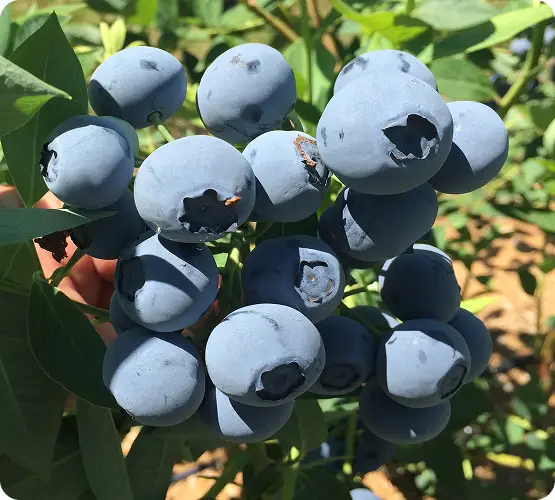
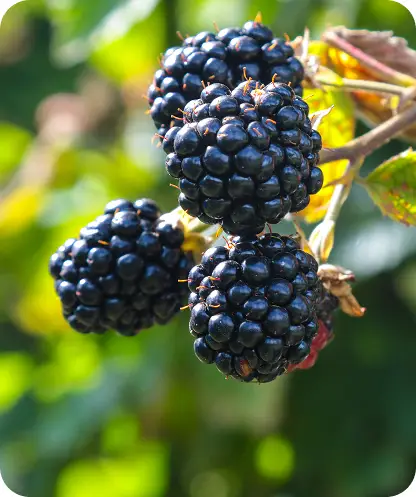
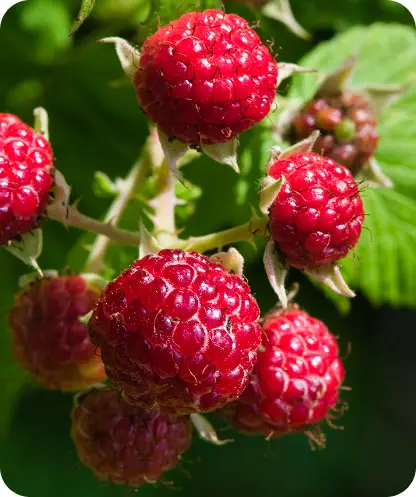
In recent times, the breeding work has been minimal, which has allowed for Blueberries, Raspberries and Blackberries to take an increasing share of the soft fruit market, leaving traditional fruits such as Gooseberries and Loganberries behind.
Limited amounts are still sold fresh, but the volumes have declined significantly in the past 50 years. The Gooseberry that British people are most familiar with is little known in other countries and therefore not imported to the UK in other times of year as is the case with the main soft fruits. It is therefore on ly occupying shop shelves for a limited period in the British Summer is and in critical danger of all commercial growing ceasing.
The gooseberry Ribes uva-crispa (syn. R. grossularia) is a species of Ribes, native to Europe, northwestern Africa and southwestern Asia. It is one of several similar species in the subgenus Grossularia; for the other related species (e.g. North American Gooseberry Ribes hirtellum), see the genus page Ribes.
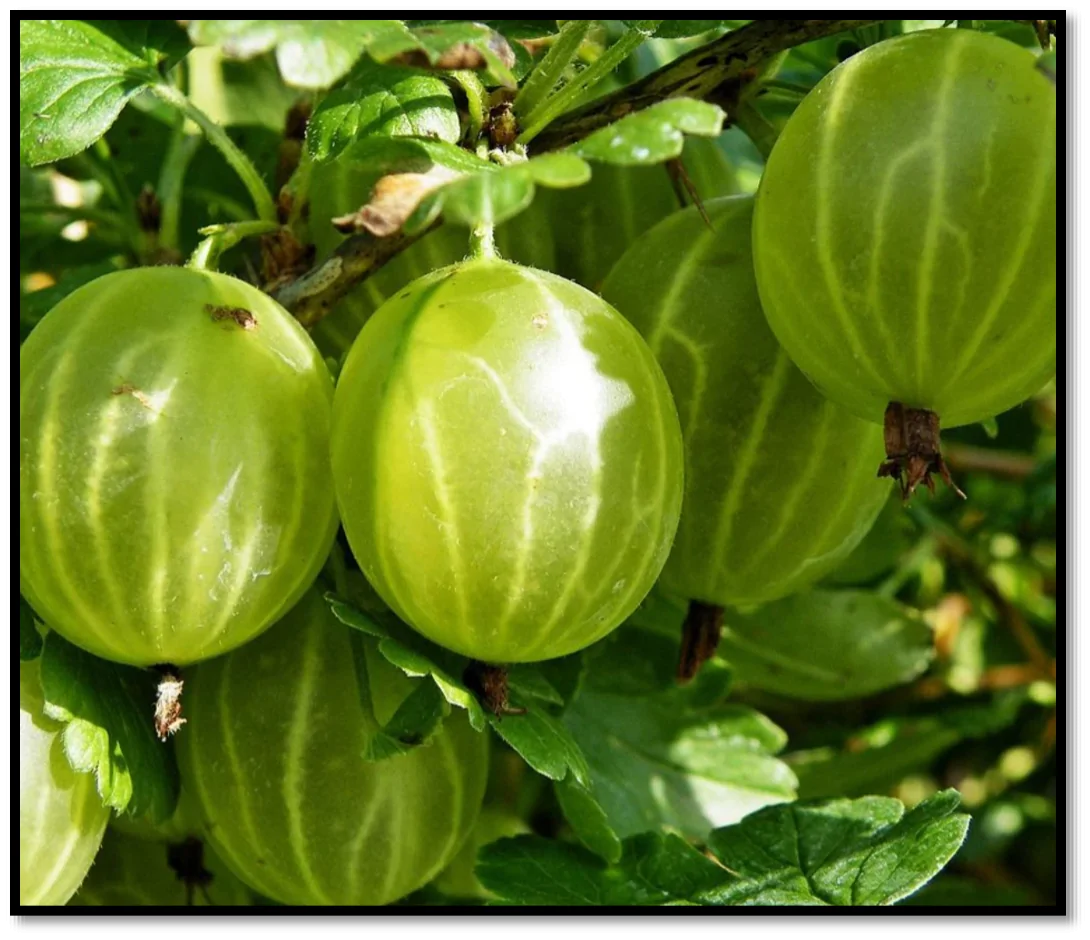
Although usually placed as a subgenus within Ribes, a few taxonomists treat Grossularia as a separate genus, although hybrids between gooseberry and blackcurrant (e.g. the Jostaberry) are possible. The subgenus Grossularia differs somewhat from currants, chiefly in their spiny stems, and in that their flowers grow one to three together on short stems, not in racemes.
As well as the other species in the subgenus Grossularia, two other unrelated plants are sometimes termed ‘gooseberry’.
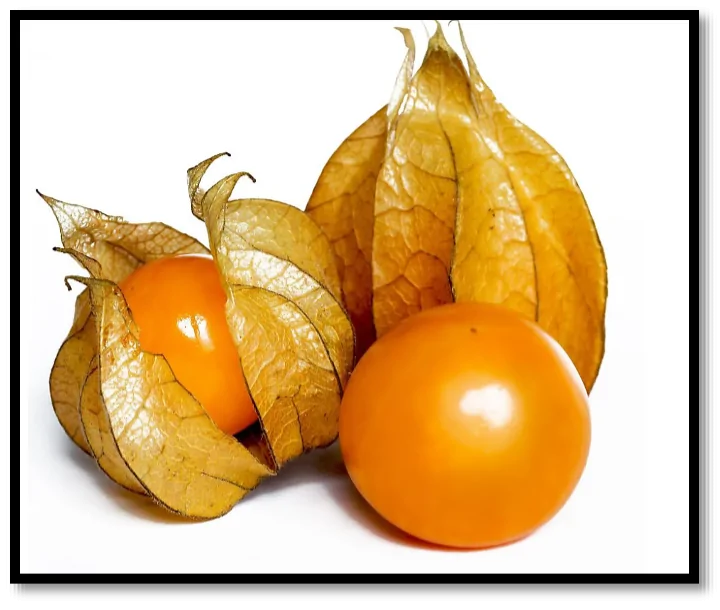
The fruit called the “Cape gooseberry” is produced by the species Physalis peruviana in the family Solanaceae, native to the Andes.
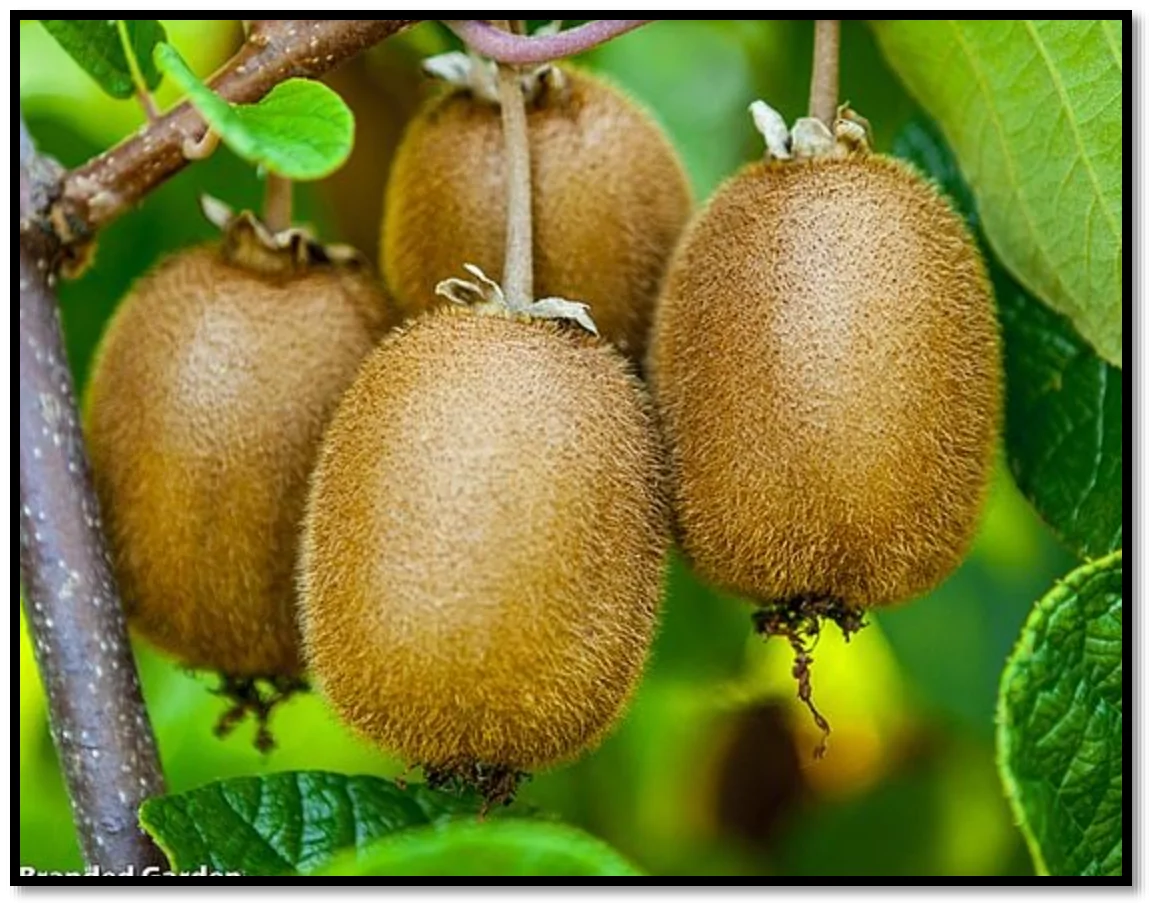
The fruit called the “Chinese gooseberry”, now more commonly known as kiwifruit, is produced by the species Actinidia deliciosa, in the family Actinidiaceae. As its name implies, it was originally cultivated in China, but was taken to New Zealand, where cultivars were selected, and the fruit renamed kiwifruit. These are now grown in many areas, and marketed worldwide under that name – though the older name is sometimes still seen in Australia.
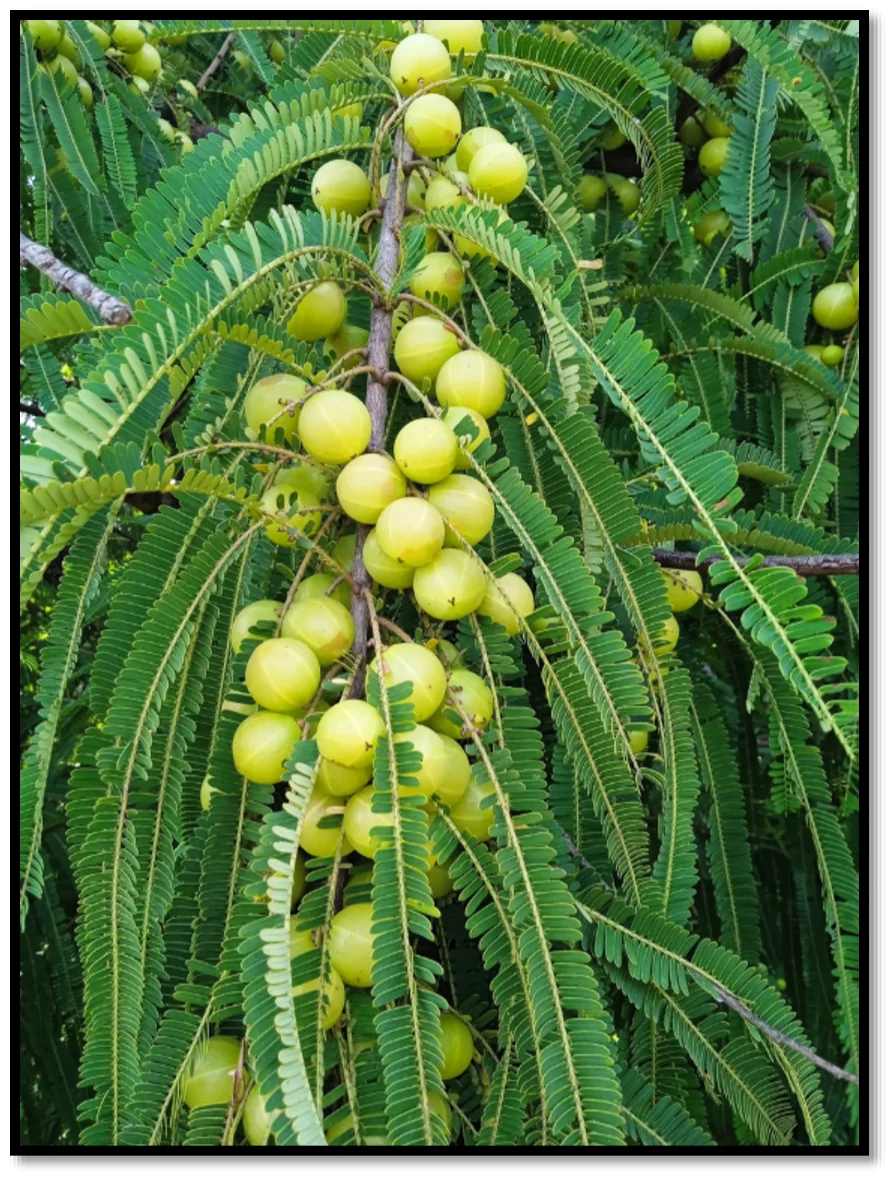
The “Indian gooseberry” is produced by the species Phyllanthus emblica.



View more products
Lorem ipsum dolor sit amet consectetur. Tristique blandit massa ultricies et vel risus malesuada tristique. At duis malesuadaseget euismod cras.